
Hey Friends!
The busy buying-and-selling real estate season is here, and I am now accepting new clients! That’s right! If you know of someone in the market to buy or sell a home, I can help.
Now is a great time to buy or sell a home, and I am in a good position to devote my experience and time to new buyers and sellers. I would appreciate your recommendation to anyone you know interested in buying or selling a home. Thank you!
I hope all is well with you, and I thank you for your time.
Sincerely,
Tracy Perkins
Friday, July 9
Thursday, June 10
Beat the Heat this Summer
Beat the Heat: How to Treat illnesses Caused by Too Much Sun
By Danielle Braff
 RISMEDIA, June 8, 2010--(MCT)--Bring on the beach days and lazy picnics: Summer has arrived. But be careful. Too much of a good thing can be deadly.
More than 300 people die each year from heat-related diseases — and thousands get very sick, according to the Centers for Disease Control and Prevention.
The three most common heat problems can affect anyone at any age: heat rash, heat exhaustion and heat stroke — but they're 100 percent preventable.
Before you step into the sun, understand the dangers caused by heat.
HEAT RASH
This skin irritation is caused by excessive sweating during humid heat, said Anne Chapas, assistant clinical professor of dermatology at NYU, and dermatologist at the Laser and Skin Surgery Center of New York. Heat rash occurs when the sweat glands are blocked, which causes sweat to accumulate under the skin.
It looks like a cluster of small blisters or pimples — and tends to occur under the arm pits, in elbow creases, on the chest, neck or shoulders.
You can treat heat rash by keeping the area dry and using over-the-counter products such as baby powder and anti-fungal sprays or creams (look for anything used to treat athlete's foot or jock itch) to lessen the discomfort. If the blisters appear extreme or don't go away after a few days, you can contact your dermatologist, who may prescribe a topical antibacterial or oral antibiotic, said Joseph Fowler Jr., a dermatologist and clinical professor of dermatology at the University of Louisville.
To avoid heat rash when you're in the sun, wear breathable fabrics such as cotton or linen, and avoid using greasy gels or lotions, which may block sweat glands.
HEAT EXHAUSTION
A long day at an outdoor festival can do this to you.
Exposure to heat plus dehydration can lead to this nasty condition. Flulike symptoms plus a throbbing headache, cool skin, chills and a pale, weak pulse can all occur, said Dr. Bob McNamara, chairman of the department of emergency medicine at Temple University School of Medicine.
Treat it by drinking water and finding a cool area to sit.
Continue to stay out in the sun, and the relatively harmless heat exhaustion can turn into the deadly heat stroke.
HEAT STROKE
This is the mother of all heat-related diseases, and can cause death or serious disabilities.
It happens quickly when you ignore the symptoms of heat exhaustion, and your body is unable to cool down.
Quite simply, "it's a medical emergency," said Lawrence Armstrong, professor of exercise and environmental physiology at the University of Connecticut, and author of "Exertional Heat Illnesses."
Normally, your body floats around 98.6 degrees. But it rises to upwards of 103 if you're out in the sun — and especially if you're exercising in the heat. Your body simply can't dissipate all of its heat into the environment, so it starts storing the heat. All that warmth in your body is too much for your organs, which will start malfunctioning, and your body will lose its ability to sweat. Many people will start hallucinating, getting dizzy and even combative, said Rahul Khare, an emergency room physician at Northwestern Memorial Hospital in Chicago.
The biggest problem with heat stroke is that most people who have it have no idea they're in any danger, Khare said.
There are some immediate things you can do to get someone out of danger, however. First, call 911 and get them out of the heat. Next, grab a drink. Khare recommended a sports drink like Gatorade, because it would have electrolytes — sodium and potassium — that the body loses through sweating. If you don't have a sports drink handy, water will do.
Then, get them under cool water, and place ice packs on their armpits, groin, head and neck, Armstrong said.
(c) 2010, Chicago Tribune.
Distributed by McClatchy-Tribune Information Services.
By Danielle Braff

More than 300 people die each year from heat-related diseases — and thousands get very sick, according to the Centers for Disease Control and Prevention.
The three most common heat problems can affect anyone at any age: heat rash, heat exhaustion and heat stroke — but they're 100 percent preventable.
Before you step into the sun, understand the dangers caused by heat.
HEAT RASH
This skin irritation is caused by excessive sweating during humid heat, said Anne Chapas, assistant clinical professor of dermatology at NYU, and dermatologist at the Laser and Skin Surgery Center of New York. Heat rash occurs when the sweat glands are blocked, which causes sweat to accumulate under the skin.
It looks like a cluster of small blisters or pimples — and tends to occur under the arm pits, in elbow creases, on the chest, neck or shoulders.
You can treat heat rash by keeping the area dry and using over-the-counter products such as baby powder and anti-fungal sprays or creams (look for anything used to treat athlete's foot or jock itch) to lessen the discomfort. If the blisters appear extreme or don't go away after a few days, you can contact your dermatologist, who may prescribe a topical antibacterial or oral antibiotic, said Joseph Fowler Jr., a dermatologist and clinical professor of dermatology at the University of Louisville.
To avoid heat rash when you're in the sun, wear breathable fabrics such as cotton or linen, and avoid using greasy gels or lotions, which may block sweat glands.
HEAT EXHAUSTION
A long day at an outdoor festival can do this to you.
Exposure to heat plus dehydration can lead to this nasty condition. Flulike symptoms plus a throbbing headache, cool skin, chills and a pale, weak pulse can all occur, said Dr. Bob McNamara, chairman of the department of emergency medicine at Temple University School of Medicine.
Treat it by drinking water and finding a cool area to sit.
Continue to stay out in the sun, and the relatively harmless heat exhaustion can turn into the deadly heat stroke.
HEAT STROKE
This is the mother of all heat-related diseases, and can cause death or serious disabilities.
It happens quickly when you ignore the symptoms of heat exhaustion, and your body is unable to cool down.
Quite simply, "it's a medical emergency," said Lawrence Armstrong, professor of exercise and environmental physiology at the University of Connecticut, and author of "Exertional Heat Illnesses."
Normally, your body floats around 98.6 degrees. But it rises to upwards of 103 if you're out in the sun — and especially if you're exercising in the heat. Your body simply can't dissipate all of its heat into the environment, so it starts storing the heat. All that warmth in your body is too much for your organs, which will start malfunctioning, and your body will lose its ability to sweat. Many people will start hallucinating, getting dizzy and even combative, said Rahul Khare, an emergency room physician at Northwestern Memorial Hospital in Chicago.
The biggest problem with heat stroke is that most people who have it have no idea they're in any danger, Khare said.
There are some immediate things you can do to get someone out of danger, however. First, call 911 and get them out of the heat. Next, grab a drink. Khare recommended a sports drink like Gatorade, because it would have electrolytes — sodium and potassium — that the body loses through sweating. If you don't have a sports drink handy, water will do.
Then, get them under cool water, and place ice packs on their armpits, groin, head and neck, Armstrong said.
(c) 2010, Chicago Tribune.
Distributed by McClatchy-Tribune Information Services.
Thursday, May 27
Awesome DIY Project and Contest

One of my new favorite magazines, Urban Farm, has a great Do-It-Yourself project in the current Summer 2010 magazine...How to Make a Self-Watering Container.
If you don't subscribe or haven't heard of them, you can get a copy at a Barnes & Noble store or visit Urban Farm's website.
The concept behind it is so simple yet brillant. You create a water reservoir at the bottom of the container and provide a wick to bring the water up to the soil, keeping it moist, continuously, which your plants will enjoy. This allows you to have peace of mind leaving town again, or if you watered too much or too little, before you left.
So could you use a planter that takes care of itself and looks nice, too?
With just five easy steps. you can create an attractive self-watering container.
So your saying five easy steps...right....how will you know if you don't try?
I'm willing to give it a try - Are you?
Don't think you have the time - what if I said this is your Summer Challenge?
A contest more or less...with a prize to help motivate you! I can't think of anyone that wouldn't want to win a prize, I'd like to win one.
The Low Down:
Follow the directions for making a self-watering container and then post two photos with your email address in the comments section. The two photos need to be of your container upon completion of creating it. The second photo will be of the end results of your palnter, filled with your favorite summer plants. (Remember it is important to select plants that are compatible in their watering needs and sun preferences).
The contest will start today, May 27, 2010 and ends Thursday, June 10, 2010.
ALL photos must be posted PRIOR to June 10th! A winner will be selected by random, using random.org generator and announced Friday June 11, 2010. Winner will receive a $20 Lowe's Gift Card.
To learn more about how to build self-watering containers in Laura Hill's "Wick It, Wick It Good" in the Summer 2010 issue of Urban Farm.
Wednesday, April 21
It Just Takes A Minute

It will only take a minute of your time to sign up and be apart of a life changing movement!
CLICK HERE TO SIGN THE PETITION!
Monday, April 12
5 Factors That Decide Your Credit Score
Credit scores range between 200 and 800, with scores above 620 considered desirable for obtaining a mortgage. The following factors affect your score:
1. Your payment history. Did you pay your credit card obligations on time? If they were late, then how late? Bankruptcy filing, liens, and collection activity also impact your history.
2. How much you owe. If you owe a great deal of money on numerous accounts, it can indicate that you are overextended. However, it’s a good thing if you have a good proportion of balances to total credit limits.
3. The length of your credit history. In general, the longer you have had accounts opened, the better. The average consumer's oldest obligation is 14 years old, indicating that he or she has been managing credit for some time, according to Fair Isaac Corp., and only one in 20 consumers have credit histories shorter than 2 years.
4. How much new credit you have. New credit, either installment payments or new credit cards, are considered more risky, even if you pay them promptly.
5. The types of credit you use. Generally, it’s desirable to have more than one type of credit — installment loans, credit cards, and a mortgage, for example.
For more on evaluating and understanding your credit score, visit http://www.myfico.com/.

1. Your payment history. Did you pay your credit card obligations on time? If they were late, then how late? Bankruptcy filing, liens, and collection activity also impact your history.
2. How much you owe. If you owe a great deal of money on numerous accounts, it can indicate that you are overextended. However, it’s a good thing if you have a good proportion of balances to total credit limits.
3. The length of your credit history. In general, the longer you have had accounts opened, the better. The average consumer's oldest obligation is 14 years old, indicating that he or she has been managing credit for some time, according to Fair Isaac Corp., and only one in 20 consumers have credit histories shorter than 2 years.
4. How much new credit you have. New credit, either installment payments or new credit cards, are considered more risky, even if you pay them promptly.
5. The types of credit you use. Generally, it’s desirable to have more than one type of credit — installment loans, credit cards, and a mortgage, for example.
For more on evaluating and understanding your credit score, visit http://www.myfico.com/.

Your Gen X Realtor
Tracy Perkins, Realtor
Certified Home Marketing Specialist
Certified Home Marketing Specialist
972-874-1905 office
972-874-2107 fax
Friday, April 9
Tuesday, March 30
Two Spirits LTD
My best friend and I stayed at Two Spirits LTD for a weekend of camping and floating about 9 years ago, so when a bunch of my girlfriend and I decide to have a girls camp out, I immediately thought of Two Spirts!
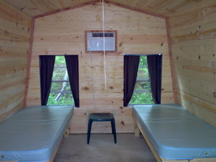
I was so glad to see it was still in business and booming 9 years later. They went from pitched tents to building cabins with electricity and air conditioning!
If you don't have a lot of camping gear, or don't want to sleep on the ground in a tent, you should really check out Two Spirits LTD.
Their service and price are unbeatable. You will LOVE it so much, you will find yourself trying to find time off to go back!


I was so glad to see it was still in business and booming 9 years later. They went from pitched tents to building cabins with electricity and air conditioning!
If you don't have a lot of camping gear, or don't want to sleep on the ground in a tent, you should really check out Two Spirits LTD.
Their service and price are unbeatable. You will LOVE it so much, you will find yourself trying to find time off to go back!

Subscribe to:
Posts (Atom)


